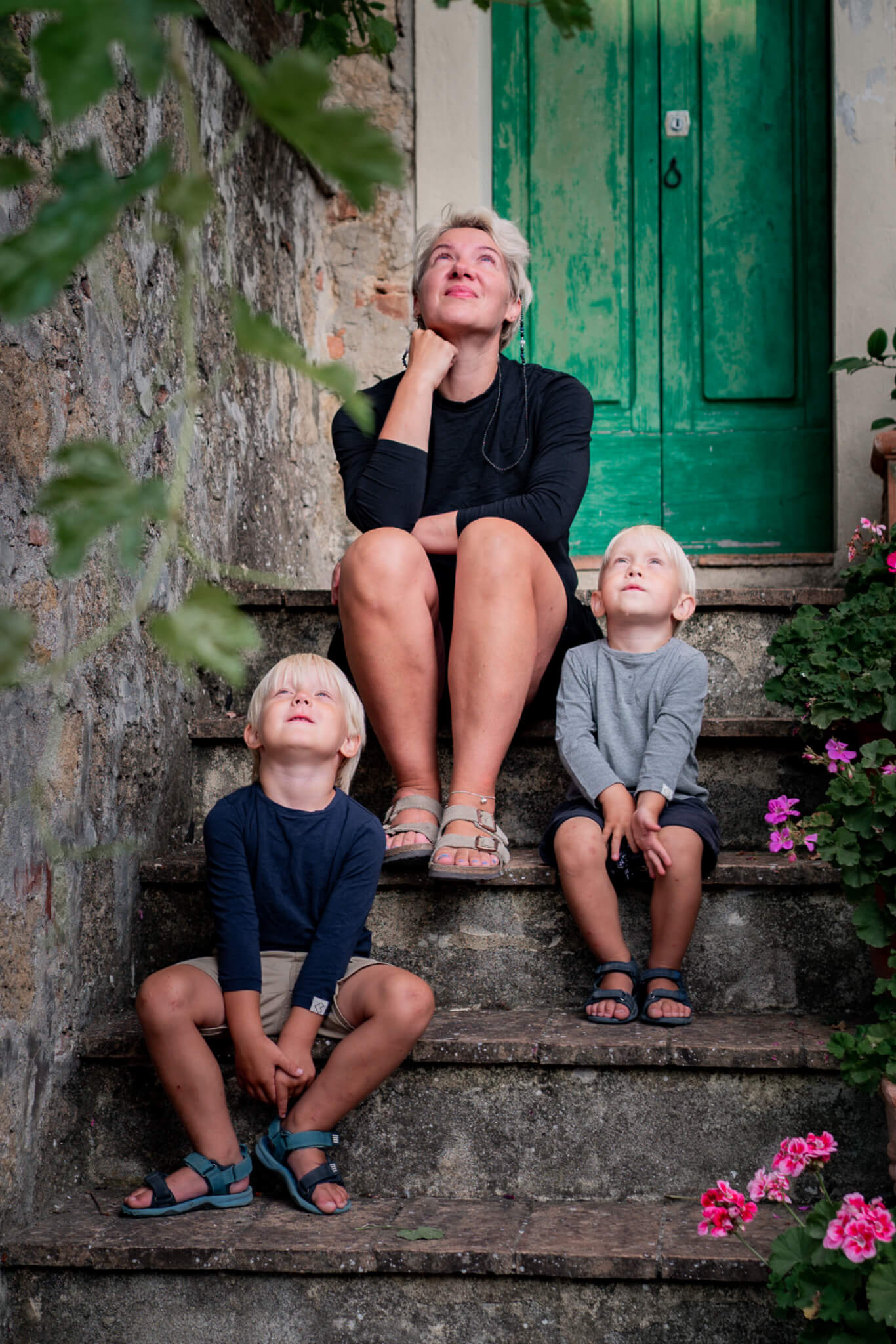
Sun protection is not only sunscreen and it is not only for summer holidays. A useful everyday routine has several layers: planning, shade, clothing that covers skin, protection for the head and eyes, and sunscreen for areas that remain exposed.
1. Check the UV Index
The UV Index measures ultraviolet radiation, not temperature. Protection can be needed on cool or cloudy days. Check the forecast for the hours you expect to be outside, not only the current reading.
2. Plan time and shade
When the UV Index is higher, move active plans to the morning or later afternoon where practical. Build a shade or indoor break into longer days. A beach tent, umbrella or tree helps, but shade still works best with the other measures below.
3. Cover more skin with clothing
Long sleeves cover shoulders, arms and the torso. Choose a fit and fabric that make movement comfortable. If a garment has a UPF rating, follow the manufacturer’s use and care information.
Water activities require technical clothing designed to get wet. An everyday cotton or bamboo-viscose long sleeve is better suited to dry shore time, walks and travel.
4. Add a hat and sunglasses
A broad brim or neck-covering design protects more than a simple peak. Look for clearly stated UVA and UVB protection in sunglasses. For children, a comfortable fit matters—the best protection is something they will keep wearing.
5. Use sunscreen on exposed skin
Sunscreen is still needed for the face, ears, neck, hands and other uncovered areas. Choose a reliable broad-spectrum product, apply enough and reapply according to its directions, particularly after swimming, sweating or towel drying.
A one-minute check before leaving
- UV Index checked;
- shade planned;
- shoulders and arms covered;
- hats and sunglasses packed;
- sunscreen in the bag rather than at home.
These five steps are simple. Used together, they become an everyday habit that is easier to pass on to children too.
