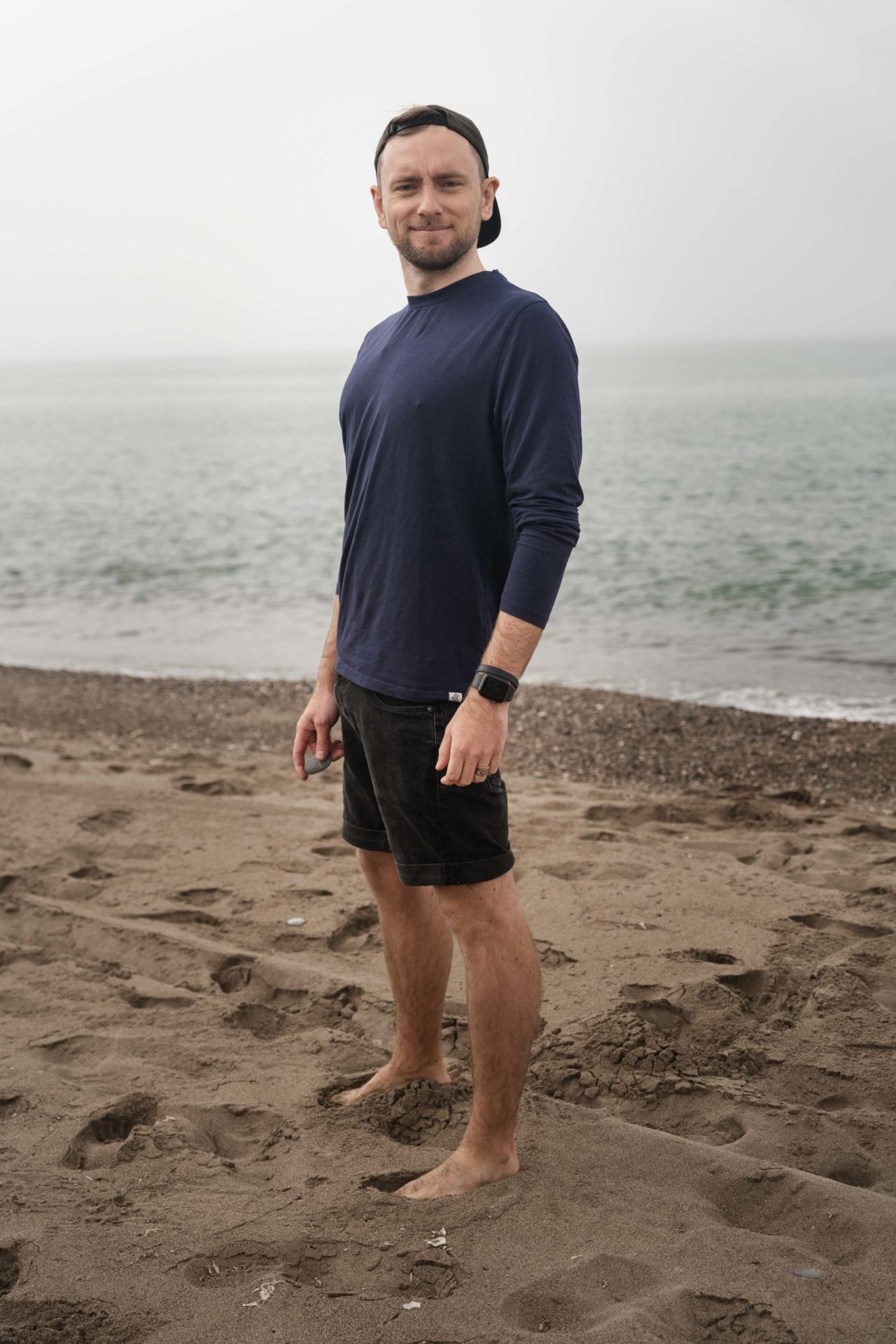
The UV Index helps you decide how much sun protection is needed on a particular day. It is not a temperature reading: a cool, windy or partly cloudy day can still have meaningful ultraviolet radiation.
What does the UV Index measure?
It is a scale describing the level of solar UV radiation at the Earth’s surface. The higher the number, the faster unprotected skin and eyes can be affected. Check it with the temperature, rain and wind forecast rather than treating it as a summer-only number.
How should you read the levels?
The World Health Organization groups the UV Index into categories. At low levels, protection needs are generally smaller under ordinary conditions. From moderate levels, plan shade and combine clothing, a hat, sunglasses and sunscreen for exposed skin. High and very high levels call for more care and less time in open sun.
Follow the official local forecast and its recommendation. Individual sensitivity, medication, skin conditions and the length of the activity can change personal needs.
When is it useful to check?
- before a beach or lake day;
- for a hike, bike ride or gardening;
- before a children’s outdoor event;
- while skiing or spending a long time near snow;
- when travelling abroad or to higher altitude.
For a long outing, look at the hourly forecast rather than only the current number. A low morning reading may rise while your family is still outside.
What should you do when protection is needed?
- Use shade and take breaks.
- Cover shoulders, arms and the torso with comfortable clothing.
- Wear a hat and sunglasses with UV protection.
- Apply reliable broad-spectrum sunscreen to exposed skin as directed.
- Remember reflection around water, sand and snow.
Explore OakCrew UPF 50+ clothing
Why is this useful for families?
The UV Index turns a vague worry into a practical decision. Instead of treating every bright day the same, you can choose the timing, clothing and other measures that suit the actual conditions.